
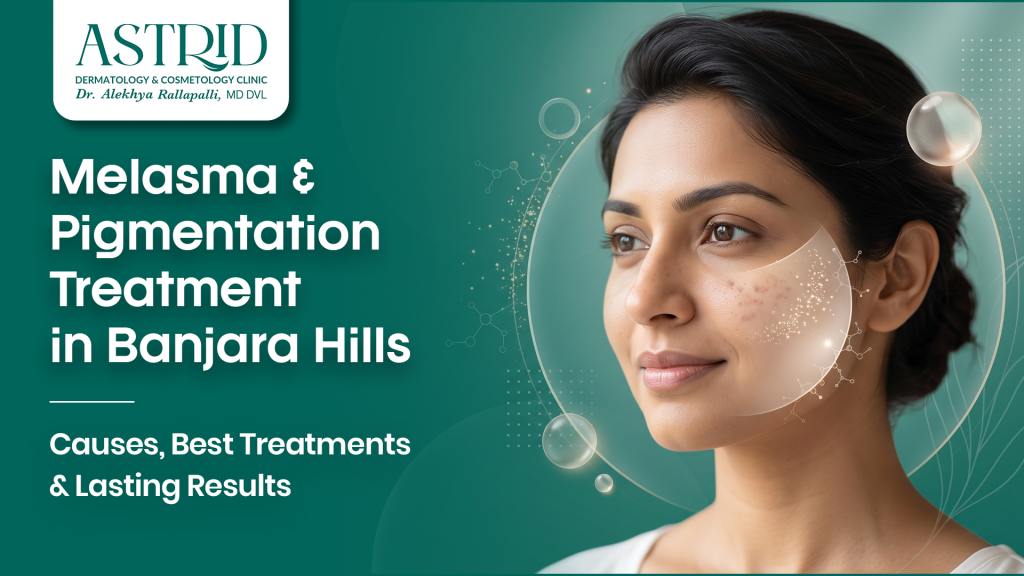
Healthy, glowing skin is often associated with confidence and overall well-being. However, many people struggle with stubborn dark patches on their face that don’t fade despite using over-the-counter creams or home remedies. One of the most common reasons for this is melasma, a type of skin pigmentation that affects millions of people, especially in countries like India, where prolonged sun exposure is common. If you’ve noticed brown or greyish patches on your cheeks, forehead, nose, or upper lip, seeking professional Melasma Treatment can help you understand the cause and choose the right solution.
Melasma is not harmful or contagious, but it can significantly affect self-esteem and quality of life. Since different types of pigmentation require different treatments, self-diagnosing or using random skincare products may worsen the condition. Early consultation with a qualified dermatologist can help identify the underlying cause and create a personalised treatment plan for long-lasting results.
What Is Melasma?
Melasma is a common skin condition that causes brown, grey-brown, or tan patches to develop on the skin, particularly on areas frequently exposed to sunlight. It occurs when the skin produces excess melanin, the pigment responsible for skin colour.
Unlike temporary tanning, melasma affects the deeper layers of the skin and usually requires professional treatment to achieve noticeable improvement. It most commonly appears on the:
- Cheeks
- Forehead
- Nose
- Chin
- Upper lip
Although melasma is more common in women, especially during pregnancy or due to hormonal changes, men can also develop the condition. People with medium to darker skin tones, which are common among Indians, are more likely to experience melasma because their skin naturally produces more melanin.
What Causes Melasma and Skin Pigmentation?
Melasma develops due to a combination of internal and external factors. While the exact cause varies from person to person, certain triggers increase the likelihood of developing pigmentation.
Sun Exposure
Ultraviolet (UV) rays are one of the biggest triggers for melasma. Even short periods of unprotected sun exposure can stimulate excess melanin production, making pigmentation darker and more noticeable. In sunny climates like Hyderabad, daily sunscreen use is essential.
Hormonal Changes
Hormonal fluctuations are closely linked to melasma. Pregnancy, oral contraceptive pills, hormone replacement therapy, and conditions such as PCOS can increase melanin production, leading to pigmentation.
Genetics
If close family members have melasma, you may have a higher risk of developing it. Genetics often determine how your skin responds to sunlight and hormonal changes.
Heat Exposure
Not only sunlight but also excessive heat from cooking, steam, or hot environments can trigger melasma in some individuals.
Certain Medications
Some medicines may make the skin more sensitive to sunlight, increasing the risk of pigmentation.
Skin Inflammation
Previous acne, eczema, allergic reactions, or skin injuries can leave behind dark patches, which may sometimes resemble melasma.
Inappropriate Skincare Products
Using harsh scrubs, strong bleaching creams, or products unsuitable for your skin type can irritate the skin and worsen pigmentation.
Understanding the underlying cause is one of the most important steps in achieving successful and long-lasting Melasma Treatment.
Common Symptoms of Melasma
Melasma usually develops gradually and is painless. The condition does not cause itching or discomfort, which means many people ignore it until the pigmentation becomes more noticeable.
Common symptoms include:
- Brown or grey-brown patches on the face
- Symmetrical pigmentation on both sides of the face
- Uneven skin tone
- Dark patches on the cheeks, forehead, nose, upper lip, or chin
- Pigmentation that becomes darker after sun exposure
- Recurring pigmentation despite using cosmetic creams
- Well-defined patches with irregular borders
Although melasma mainly affects the face, it can occasionally appear on other sun-exposed areas such as the neck or forearms.
How Is Melasma Diagnosed?
An accurate diagnosis is essential because not all facial pigmentation is melasma. Different skin conditions require different treatment approaches.
During your consultation, the dermatologist will carefully examine your skin and discuss your medical history, lifestyle, and skincare routine.
Diagnosis may include:
- Detailed skin examination
- Assessment of pigmentation pattern
- Review of hormonal and medical history
- Wood’s lamp examination to determine the depth of pigmentation
- Dermatoscopy, if required
- Evaluation of previous treatments and skincare products
These assessments help determine whether the pigmentation is superficial, deep, or mixed, allowing the dermatologist to recommend the most suitable treatment plan.
Melasma vs Other Types of Skin Pigmentation
Although melasma and other pigmentation disorders may appear similar, their causes and treatment approaches are different.
| Feature | Melasma | Post-Inflammatory Hyperpigmentation (PIH) | Sunspots (Age Spots) |
| Main Cause | Hormonal changes and sun exposure | Acne, injury, burns, or inflammation | Long-term sun exposure |
| Common Age Group | 20–50 years | Any age | Usually above 40 years |
| Appearance | Symmetrical brown or grey patches | Dark marks after skin injury | Small, well-defined brown spots |
| Common Areas | Cheeks, forehead, upper lip, nose | Anywhere acne or injury occurs | Face, hands, shoulders |
| Trigger | Hormones, UV rays, heat | Skin inflammation | UV exposure over many years |
| Treatment | Prescription creams, chemical peels, laser therapy, combination treatments | Topical medications and peels | Laser treatment, cryotherapy, topical creams |
| Risk of Recurrence | Moderate to high without sun protection | Low after the underlying cause resolves | Can recur with continued sun exposure |
Benefits of Professional Melasma Treatment
Professional Melasma Treatment offers several advantages over self-treatment or over-the-counter products. With proper diagnosis and customised care, you can achieve healthier, more even-toned skin.
Some of the key benefits include:
- Reduction in stubborn pigmentation and dark patches
- Brighter, more even skin tone
- Improved skin texture and overall appearance
- Personalised treatment based on your skin type
- Safe procedures performed by experienced dermatologists
- Better long-term management of recurring pigmentation
- Increased confidence and improved self-esteem
- Expert guidance on skincare and sun protection
While results vary from person to person, following your dermatologist’s recommendations can help you achieve gradual and lasting improvements.
Recovery and Aftercare
Proper aftercare is essential for maintaining your treatment results and preventing pigmentation from returning.
Depending on the type of treatment, you may experience mild redness or temporary sensitivity for a few days. These effects usually settle quickly when you follow the recommended skincare routine.
Aftercare Tips
- Apply a broad-spectrum sunscreen with SPF 50 or higher every day.
- Reapply sunscreen every two to three hours when outdoors.
- Wear a wide-brimmed hat or use an umbrella during peak sunlight hours.
- Avoid harsh scrubs or bleaching creams.
- Use only dermatologist-recommended skincare products.
- Keep your skin well moisturised.
- Stay hydrated and maintain a healthy diet rich in fruits and vegetables.
- Attend follow-up appointments as advised.
How to Prevent Melasma Recurrence?
One of the most common questions patients ask is whether melasma can come back after treatment.
However, recurrence does not mean treatment has failed. With proper maintenance, many patients successfully keep their pigmentation under control for years.
Simple preventive measures include:
- Daily sunscreen use
- Following a dermatologist-prescribed skincare routine
- Avoiding excessive sun exposure
- Wearing protective clothing outdoors
- Scheduling regular skin check-ups
- Addressing hormonal issues with appropriate medical guidance
Long-term skin care and professional follow-up play an important role in maintaining clearer, healthier skin.
Why Choose Our Skin Clinic in Banjara Hills?
Choosing the right dermatologist can make a significant difference in your treatment journey.
At our skin clinic, we believe every patient deserves an individualised approach because no two pigmentation concerns are exactly alike.
When you choose us, you benefit from:
- Experienced dermatologists with expertise in treating melasma and pigmentation
- Comprehensive skin evaluation and accurate diagnosis
- Personalised treatment plans based on your skin type
- Advanced laser and dermatology technology
- Safe, evidence-based treatment protocols
- Transparent guidance throughout your treatment journey
- Continued support through follow-up and maintenance care
- A patient-first approach focused on achieving healthy, natural-looking skin
Our goal is to help you achieve clearer, brighter skin while maintaining realistic expectations and long-term skin health.
Frequently Asked Questions (FAQs)
1. What is the most effective treatment for melasma?
The best treatment depends on the severity and cause of your pigmentation. Dermatologists may recommend prescription creams, chemical peels, laser therapy, or a combination of treatments for the best results.
2. Can melasma be completely cured?
Melasma can be effectively managed and significantly reduced, but it may recur due to sun exposure or hormonal changes. Regular maintenance and sun protection are essential for long-lasting results.
3. Is laser treatment safe for melasma?
Yes. When performed by an experienced dermatologist using the appropriate technology, laser treatment can safely improve stubborn pigmentation. It is often combined with medical skincare for optimal outcomes.
4. How many treatment sessions are required?
The number of sessions varies depending on the depth of pigmentation, skin type, and treatment method. Your dermatologist will create a personalised treatment plan after evaluating your skin.
5. How can I prevent melasma from coming back?
Daily sunscreen use, avoiding excessive sun exposure, following a dermatologist-recommended skincare routine, and attending regular follow-up visits can help minimise the risk of recurrence and maintain clearer skin.
Your Journey to Clearer, Healthier Skin Starts Here
Melasma and pigmentation may seem difficult to manage, but with the right diagnosis, personalised treatment, and consistent skincare, noticeable improvement is possible. Whether your pigmentation is caused by sun exposure, hormonal changes, or other factors, seeking professional care early can help prevent it from becoming more persistent.
If you are looking for trusted Melasma Treatment in Banjara Hills, consult an experienced dermatologist who can recommend the most appropriate treatment plan based on your unique skin concerns.
 Melasma Treatment consultation
Dr. Alekhya Rallapalli
 https://dralekhyadermatologist.com/
 8495898989