
Healthy skin does not look the same for everyone. Some of us may struggle with acne, while others may notice dark spots, uneven skin tone, fine lines, or changes in skin texture. In many cases, we may even experience more than one concern at the same time.
This is why choosing the right Pigmentation Acne and Skin Ageing Treatment is not simply about picking the most popular procedure. The right approach depends on the cause of the problem, our skin type, severity, age, previous treatments, and overall skin condition.
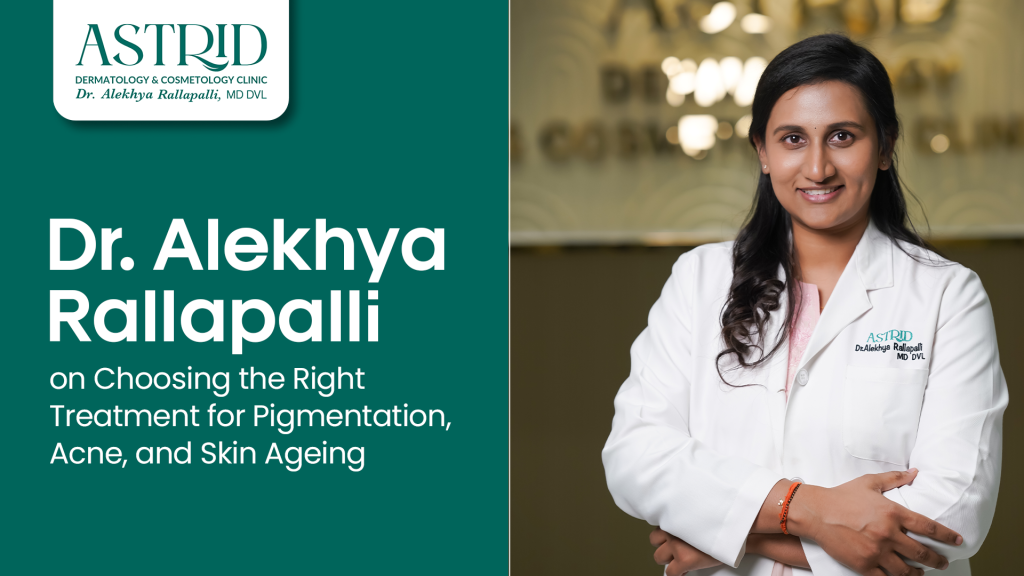
Under the guidance of a dermatologist such as Dr. Alekhya Rallapalli, we can understand what is actually affecting our skin and choose treatment options based on our individual needs rather than following random skincare trends.
Why Does One Skin Treatment Does Not Work for Everyone?
Pigmentation, acne, and skin ageing can look different from person to person. Even when two people have similar concerns, their treatment plans may be completely different.
For example, one person may develop dark marks after acne, while another may have pigmentation related to sun exposure or hormonal changes. Similarly, fine lines may be the main concern for one person, while another may be more concerned about dullness, uneven texture, or loss of firmness.
Before recommending a procedure, a dermatologist may consider:
- The type and cause of the skin concern
- Skin type and sensitivity
- Severity of the condition
- Previous skincare or treatments
- Presence of active acne or inflammation
- Amount of sun exposure
- Age and overall skin condition
- Desired but realistic treatment goals
This personalised assessment helps us avoid unnecessary treatments and focus on what our skin actually needs.
Understanding Pigmentation Before Choosing Treatment
Pigmentation refers to changes in skin colour that can make some areas appear darker or uneven. It may occur because of sun exposure, hormonal changes, inflammation, acne, or other factors.
Common concerns include dark spots, post acne pigmentation, melasma, and uneven skin tone.
For people searching for pigmentation treatment, the first step should be understanding the reason behind the pigmentation. Treating only the visible dark patches without addressing the cause may not provide lasting improvement.
Depending on the individual case, a dermatologist may recommend medical skincare, sunscreen, chemical peels, laser based procedures, or a combination approach.
Sun protection is also an important part of pigmentation care. Even after professional treatment, regular sunscreen use can help protect the skin from further sun related pigmentation.
Choosing the Right Acne Treatment
Acne is not just a teenage concern. Adults can also experience recurring breakouts, hormonal acne, clogged pores, inflammation, and acne marks.
When considering acne treatment, we should first understand what type of acne we have and how severe it is.
Mild acne may sometimes respond to appropriate topical skincare. More persistent or inflammatory acne may require prescription medicines or procedures recommended by a dermatologist.
It is also important to separate active acne from acne scars and pigmentation. These concerns may need different approaches.
For example:
- Active acne focuses on controlling breakouts and inflammation.
- Post acne pigmentation focuses on reducing unwanted dark marks.
- Acne scars may require procedures that improve skin texture.
- Recurring acne may require identifying contributing factors and maintaining long term care.
Trying several strong products at once can sometimes irritate the skin and make the situation worse. Professional guidance can help us choose a more structured approach.
Pigmentation vs Acne vs Skin Ageing
Understanding the difference between these concerns makes it easier to see why treatment should be personalised.
| Skin Concern | Common Signs | Main Treatment Goal | Possible Treatment Approach |
| Pigmentation | Dark spots, melasma, uneven tone | Improve uneven pigmentation | Skincare, peels, selected laser treatments and sun protection |
| Acne | Pimples, blackheads, inflammation | Control breakouts and prevent new lesions | Topical or oral medicines, skincare and selected procedures |
| Acne Marks | Brown or dark marks after acne | Reduce post acne pigmentation | Medical skincare, peels and other suitable procedures |
| Acne Scars | Depressed or uneven skin texture | Improve skin texture | Microneedling, laser based procedures or combination treatments |
| Skin Ageing | Fine lines, wrinkles, dullness, texture changes | Improve overall skin quality | Skincare, rejuvenation procedures, peels, laser or other suitable treatments |
The table shows why there is no single treatment that is automatically right for every skin concern.
When Should We Consider Skin Ageing Treatment?
Skin aging is a natural process, but factors such as sun exposure, lifestyle, genetics, pollution, and skincare habits can influence how our skin changes over time.
Common signs include:
- Fine lines
- Wrinkles
- Uneven skin texture
- Dullness
- Loss of firmness
- Sun damage
- Changes in skin tone
People looking for skin ageing treatment may have different goals. Some may want to improve early fine lines, while others may want to address more noticeable changes in texture and firmness.
Treatment does not always mean an invasive procedure. Depending on our skin, a dermatologist may suggest a combination of medical skincare and professional procedures.
The goal should be healthier, refreshed looking skin rather than an unrealistic change in appearance.
How Dr. Alekhya Rallapalli Can Help Choose the Right Treatment?
Choosing a treatment should begin with proper skin assessment rather than simply selecting a procedure from an online advertisement.
During a dermatology consultation, Dr. Alekhya Rallapalli can assess the skin concern and understand what the patient wants to improve. Factors such as skin sensitivity, pigmentation pattern, acne activity, previous treatment history, and overall skin condition can help guide the treatment plan.
This is particularly important when we have multiple concerns.
For example, someone may have active acne along with pigmentation and early signs of skin ageing. Treating all three concerns aggressively at the same time may not always be appropriate. A dermatologist can decide which concern should be addressed first and whether treatments can be combined safely.
Can Acne and Pigmentation Be Treated Together?
Yes, in some cases, acne and pigmentation can be managed as part of the same overall skin plan. However, the order and type of treatment matter.
If active acne is still present, controlling the breakouts may be an important first step. Once the acne is better controlled, the focus may shift towards post acne pigmentation or scarring.
This approach can be more practical than repeatedly treating dark marks while new acne continues to appear.
For acne and pigmentation treatment, consistency is also important. We should follow the recommended skincare routine and avoid frequently changing products without professional advice.
What About Skin Rejuvenation Treatments?
Skin rejuvenation focuses on improving the overall appearance and quality of the skin. Depending on our individual needs, it may involve treatments designed to improve texture, tone, fine lines, or signs of sun damage.
Possible options can include:
- Medical skincare
- Chemical peels
- Microneedling
- Laser based procedures
- Other dermatologist recommended rejuvenation treatments
Not every treatment is suitable for every skin type. This is particularly important for Indian skin, where pigmentation concerns can be common and aggressive procedures may not always be appropriate.
A dermatologist can help determine which treatment is suitable and how it should be performed.
Why Does Daily Skincare Still Matters?
Professional treatments are only one part of maintaining healthy skin. Our everyday skincare habits can also influence treatment results and long term skin health.
A simple routine may include:
- Gentle cleansing
- Suitable moisturisation
- Regular broad spectrum sunscreen
- Dermatologist recommended active ingredients when needed
- Avoiding unnecessary harsh products
Sunscreen deserves special attention when we are managing pigmentation or signs of skin ageing. Regular sun protection can help reduce additional sun related damage and support the overall skin care plan.
Common Mistakes We Should Avoid
When dealing with pigmentation, acne, or aging, it is easy to become attracted to quick fixes. However, some common habits can make skin concerns harder to manage.
We should avoid:
- Using too many active ingredients together
- Picking or squeezing pimples
- Using prescription or steroid creams without medical advice
- Trying strong peels or procedures without professional guidance
- Expecting instant results
- Changing treatments too frequently
- Ignoring sunscreen
- Copying someone else’s skincare routine
What works for one person may not work for another. A personalised approach is usually a safer way to manage ongoing skin concerns.
When Should We See a Dermatologist?
We should consider professional advice when acne continues despite basic skincare, pigmentation keeps returning, dark spots become more noticeable, or skin ageing concerns begin affecting our confidence.
A consultation can also be helpful when we are unsure whether we need skincare, medication, a procedure, or a combination of treatments.
For people searching for a dermatologist in Banjara Hills, the most important consideration is not simply choosing the most advertised treatment. We should look for professional evaluation, clear communication, realistic expectations, and a treatment plan suited to our individual skin.
Frequently Asked Questions
1. What is the best treatment for pigmentation?
There is no single best treatment for everyone. The suitable option depends on the cause and type of pigmentation. A dermatologist may recommend skincare, chemical peels, selected laser treatments, or a combination approach.
2. Can acne and pigmentation be treated together?
They can sometimes be managed within the same treatment plan. However, controlling active acne may be prioritised before focusing on post acne pigmentation or scars.
3. When should we start skin ageing treatment?
There is no fixed age for everyone. Treatment can be considered when early signs such as fine lines, uneven texture, or sun damage become a concern. A dermatologist can recommend suitable preventive or corrective care.
4. Are laser treatments suitable for Indian skin?
Laser treatments can be suitable in selected cases, but the type of laser, settings, skin condition, and treatment plan are important. Professional assessment is recommended before undergoing laser treatment.
5. How can we choose the right dermatologist in Banjara Hills?
Look for a dermatologist who evaluates the underlying concern, explains treatment options clearly, discusses realistic expectations, and creates a plan based on your individual skin rather than recommending the same procedure to everyone.
A Personalised Path to Clearer Healthier Looking Skin
Pigmentation, acne, and skin ageing are different concerns, even though they can sometimes appear together. The right skin treatment depends on what is causing the problem, how severe it is, and how our skin responds. For concerns such as recurring breakouts, dark spots, and acne scars, choosing the right acne treatment can help improve skin health and appearance.
With professional guidance from Dr. Alekhya Rallapalli, we can take a more informed approach instead of experimenting with multiple treatments on our own.
Whether our concern is dark spots, recurring acne, acne scars, uneven skin tone, fine lines, or overall skin ageing, the first step is understanding the skin before choosing a procedure.
Book an appointment today: +91 8495898989
Visit our website: https://dralekhyadermatologist.com/