
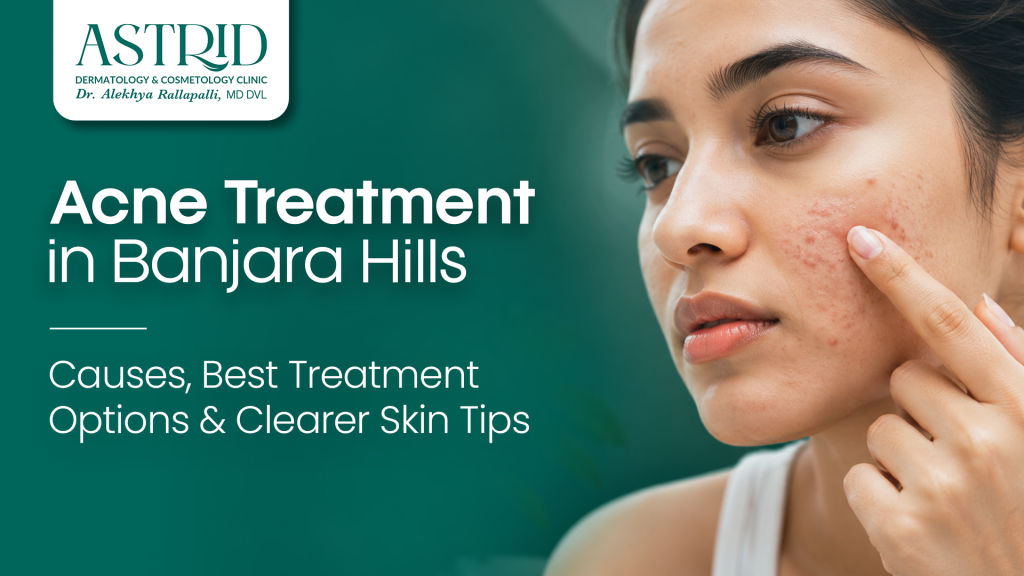
Acne is one of the most common skin concerns affecting teenagers and adults alike. While many people think acne is just a part of growing up, persistent breakouts can affect confidence, self-esteem, and overall skin health. From occasional pimples before an important event to painful cystic acne that leaves scars, every skin type deserves proper attention and personalised care.
If you are looking for Acne Treatment in Banjara Hills, understanding what causes acne and the treatment options available can help you make informed decisions. Modern dermatology offers safe, evidence-based treatments that not only reduce active acne but also help prevent future breakouts and minimise acne scars.
In this guide, we explain the causes of acne, the different types, the best treatment options, and practical skincare tips to help you achieve healthier, clearer skin.
Understanding Acne: Why Does It Happen?
Acne develops when hair follicles become blocked with excess oil (sebum), dead skin cells, and bacteria. This blockage leads to inflammation, causing different types of pimples and breakouts.
Although acne is commonly associated with teenagers, adults in their 20s, 30s, and even 40s can also experience recurring acne due to hormonal changes, lifestyle habits, stress, or underlying medical conditions.
Early treatment is important because untreated acne can lead to permanent scarring and skin pigmentation.
Common Types of Acne
Not all acne looks the same. Identifying the type of acne helps dermatologists recommend the most suitable treatment.
Whiteheads
Closed pores filled with oil and dead skin cells that appear as small white bumps.
Blackheads
Open pores where trapped oil oxidises on contact with air, creating black spots.
Papules
Small, red, inflamed bumps that may feel tender.
Pustules
Red pimples containing pus at the centre.
Nodules
Large, painful lumps that develop deep beneath the skin.
Cystic Acne
Severe inflammatory acne that can cause pain and permanent scars if left untreated.
What Causes Acne?
Acne usually develops due to a combination of internal and external factors.
Some of the most common acne causes include:
- Hormonal changes during puberty, pregnancy, or menopause
- PCOS (Polycystic Ovary Syndrome)
- Excess oil production
- Blocked skin pores
- Growth of acne-causing bacteria
- Genetics
- High-stress levels
- Lack of proper skincare
- Certain medications
- Heavy cosmetic products
- Poor sleep habits
- High-glycaemic diets in some individuals
Understanding the root cause allows us to choose the right treatment rather than simply treating the symptoms.
Signs That You Should See a Dermatologist
While mild acne may improve with basic skincare, professional evaluation becomes important if you notice:
- Persistent pimples lasting several months
- Painful cysts or nodules
- Acne leaving scars
- Frequent breakouts despite using skincare products
- Dark marks after pimples heal
- Acne affecting your confidence and daily life
Consulting an Acne Specialist in Banjara Hills early can reduce the risk of long-term skin damage.
Best Treatment Options for Acne
Modern dermatology offers multiple treatment options depending on the severity of acne, skin type, and underlying causes.
Topical Medications
Prescription creams and gels help reduce oil production, prevent clogged pores, and control bacterial growth. These treatments are commonly recommended for mild to moderate acne.
Oral Medications
For moderate to severe acne, dermatologists may prescribe oral antibiotics or hormonal medications to reduce inflammation and control breakouts.
Chemical Peel for Acne
A Chemical Peel for Acne gently exfoliates the skin, removes dead skin cells, reduces oil buildup, and improves acne marks over time. Regular sessions can enhance skin texture and brightness.
Laser Treatment for Acne Scars
Once active acne is under control, Laser Treatment for Acne Scars helps improve uneven skin texture by stimulating collagen production. It can reduce the appearance of scars and improve overall skin quality.
Acne Scar Treatment
Different types of scars require different approaches. Treatments may include:
- Microneedling
- Laser resurfacing
- Chemical peels
- PRP therapy
- Subcision
- Combination treatments
Hormonal Acne Treatment
People with hormonal acne, especially women with PCOS or hormonal imbalance, often benefit from personalised treatment plans that address the underlying cause instead of only treating surface pimples.
Personalised Treatment Plans
Every person’s skin is unique. A customised plan often combines medications, procedures, and skincare guidance to achieve better and longer-lasting results.
Comparison of Common Acne Treatment Options
| Treatment | Best For | Benefits | Recovery Time |
| Topical Medications | Mild acne | Reduces oil and bacteria | Minimal |
| Oral Medications | Moderate to severe acne | Controls inflammation | Minimal |
| Chemical Peel for Acne | Acne marks and oily skin | Smoothens skin and improves texture | 1–3 days |
| Laser Treatment for Acne Scars | Acne scars | Improves collagen and skin texture | Few days |
| Microneedling | Acne scars | Boosts collagen production | 2–5 days |
| Combination Treatment | Persistent acne | Targets multiple causes together | Depends on treatment plan |
Acne Scar Treatment: Why Early Care Matters
Acne scars form when inflammation damages the deeper layers of the skin. Delaying treatment increases the chances of permanent scars.
Common acne scars include:
- Ice-pick scars
- Boxcar scars
- Rolling scars
- Post-inflammatory pigmentation
Professional Acne Scar Treatment focuses on improving skin texture, reducing pigmentation, and encouraging healthy collagen production. While results vary from person to person, early treatment generally offers better outcomes.
Daily Skincare Tips for Clearer Skin
Along with professional Acne Treatment in Banjara Hills, following a good skincare routine can help prevent future breakouts.
Cleanse Twice Daily
Wash your face using a gentle cleanser suitable for acne-prone skin.
Avoid Touching Pimples
Picking or squeezing pimples increases inflammation and raises the risk of scarring.
Use Non-Comedogenic Products
Choose skincare and makeup products labelled as non-comedogenic to reduce clogged pores.
Moisturise Regularly
Even oily skin needs hydration. A lightweight moisturiser helps maintain the skin barrier.
Apply Sunscreen
Daily sunscreen protects healing skin from pigmentation and sun damage.
Stay Consistent
Healthy skin takes time. Following your dermatologist’s advice consistently is more effective than frequently changing products.
Lifestyle Habits That Support Healthy Skin
Simple lifestyle changes can complement medical treatment.
- Drink enough water every day.
- Eat a balanced diet rich in fruits and vegetables.
- Sleep for 7–8 hours each night.
- Manage stress through exercise, meditation, or hobbies.
- Wash pillow covers and towels regularly.
- Remove makeup before sleeping.
- Avoid harsh scrubs and excessive face washing.
While these habits alone may not cure acne, they help support healthier skin and improve treatment outcomes.
Why Professional Acne Treatment Makes a Difference?
Over-the-counter products may help mild acne, but persistent or severe acne often requires expert care.
Professional treatment offers several advantages:
- Accurate diagnosis of the underlying cause
- Personalised treatment plans
- Better acne control
- Reduced risk of permanent scars
- Safe use of advanced dermatology procedures
- Ongoing monitoring and treatment adjustments
Seeking care from the Best Dermatologist for Acne helps ensure that treatment is tailored to your skin type and concerns.
Frequently Asked Questions (FAQs)
1. What is the best treatment for acne?
The best treatment depends on the severity and cause of your acne. Mild acne may improve with topical medications, while moderate to severe acne may require oral medicines, chemical peels, laser treatments, or combination therapies recommended by a dermatologist.
2. How long does acne treatment take to show results?
Most people begin noticing improvement within 6 to 12 weeks, although the timeline varies depending on the type of acne, skin condition, and treatment plan.
3. Can acne scars be treated?
Yes. Treatments such as laser therapy, microneedling, chemical peels, PRP, and subcision can improve the appearance of acne scars. Your dermatologist will recommend the most suitable option based on the type and severity of scarring.
4. Is hormonal acne different from regular acne?
Yes. Hormonal acne is often linked to hormonal fluctuations and commonly appears on the jawline, chin, and lower face. It may require specialised hormonal acne treatment in addition to standard acne therapies.
5. When should I consult a dermatologist for acne?
You should consult a dermatologist if your acne is painful, persistent, leaving scars, recurring frequently, or not improving with over-the-counter skincare products. Early treatment can help prevent long-term skin damage and improve overall skin health.
Clearer Skin Starts with the Right Treatment
Acne is a manageable skin condition, but every person’s skin responds differently. Whether you are dealing with occasional pimples, hormonal acne, or long-standing acne scars, early diagnosis and personalised care can make a significant difference.
If you are considering Acne Treatment in Banjara Hills, consulting an experienced dermatologist is the best way to understand your skin’s needs and receive a treatment plan designed specifically for you. With the right combination of medical care, professional procedures, and healthy skincare habits, achieving clearer, healthier-looking skin becomes a realistic and sustainable goal.
Book your oppointment today : 84958 98989
Visit our website : https://www.astridclinics.com/